
Food Donation in Denver: Turning Everyday Generosity Into Meaningful Support
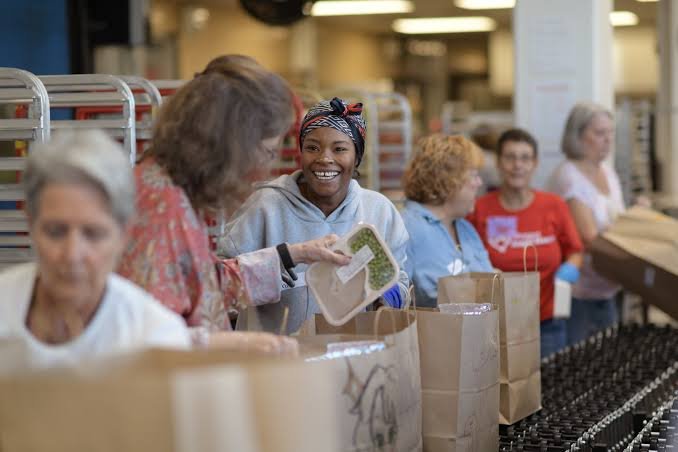
Food is one of the most basic human needs, yet many individuals and families struggle to maintain a consistent supply of nutritious meals. Rising living expenses, unexpected financial difficulties, and changing household circumstances can make grocery shopping challenging. In communities like Denver, food donations provide an important way for residents to support neighbors experiencing hardship. What may seem like a small contribution can become a meaningful source of comfort and stability for someone facing food insecurity. The growing importance of food donation in Denver reflects how everyday generosity can strengthen communities. Whether individuals contribute pantry essentials, organize neighborhood food drives, or support local food assistance programs, every effort helps create opportunities for families to access the nourishment they need. Understanding the Importance of Food Donations Food insecurity is not always visible. Families may have stable housing and employment while still struggling to afford groceries after paying for rent, transportation, utilities, and other necessities. Unexpected medical expenses or temporary unemployment can make these challenges even more difficult. Food donation programs help address these situations by connecting available resources with people who need assistance. Donations of nutritious, shelf-stable groceries and other accepted food items allow community organizations to provide practical support. Beyond meeting immediate nutritional needs, food assistance can reduce financial pressure on households. When families receive grocery support, they may have greater flexibility to manage other essential expenses without sacrificing healthy meals. Everyday Generosity Creates Lasting Community Connections Meaningful community support does not always require large financial contributions. A few additional grocery items purchased during a routine shopping trip can help someone who is struggling to put food on the table. Residents can contribute through workplace collections, school donation campaigns, neighborhood initiatives, and community organizations. These activities encourage participation while helping people recognize the challenges faced by others. Food donations also create opportunities for conversations about compassion and shared responsibility. When individuals participate regularly, generosity becomes part of everyday community life rather than something reserved for special occasions. This culture of giving helps establish stronger relationships between residents, volunteers, and organizations working toward a common purpose. Supporting Families Through Reliable Food Assistance For households experiencing financial uncertainty, dependable access to groceries can make a significant difference. Parents may find it easier to prepare balanced meals, while older adults and individuals living on limited incomes can receive additional nutritional support. Organizations facilitating food donation in Denver play an important role in making these resources available. By collecting contributions and distributing food through organized assistance programs, they help connect community generosity with practical household needs. Reliable food assistance is particularly valuable because financial hardship rarely follows a predictable schedule. Consistent donations help organizations respond to changing needs throughout the year. Making Food Donations More Thoughtful and Effective Although every contribution is appreciated, thoughtful giving can make donations more useful. Donors should consider the nutritional value, packaging condition, expiration dates, and specific requirements of the receiving organization. Commonly requested items may include canned vegetables, beans, rice, pasta, oatmeal, peanut butter, and other nutritious pantry staples. Some organizations also accept fresh produce and additional grocery items when appropriate storage and distribution facilities are available. Before donating, individuals should check the organization’s current guidelines. This helps prevent unsuitable contributions and ensures that donated items can be distributed efficiently. Donors can also consider household diversity. Foods that accommodate different dietary preferences, cultural traditions, and nutritional requirements may help organizations better serve the communities they support. Thoughtful contributions transform ordinary grocery donations into resources that genuinely address everyday needs. Encouraging Businesses and Community Groups to Participate Local businesses, schools, and community associations can strengthen food assistance efforts by organizing coordinated donation activities. Workplace food drives, classroom collections, and neighborhood campaigns provide convenient opportunities for collective participation. Businesses can encourage employees to contribute groceries, volunteer their time, or support nonprofit organizations through community partnerships. Schools can introduce students to the importance of sharing resources and understanding food insecurity. Community groups may also coordinate seasonal donation campaigns during periods when household expenses increase. These collaborative efforts extend the reach of food assistance programs while encouraging long-term involvement. They also demonstrate that addressing hunger is a shared responsibility involving individuals, institutions, and neighborhoods. Moving Beyond Occasional Giving Food insecurity exists throughout the year, making consistent community participation especially valuable. While holiday donation campaigns often attract attention, families may need grocery assistance during ordinary weeks and months as well. Individuals interested in supporting food donation in Denver can consider making contributions part of their regular routines. Setting aside a few grocery items each month, participating in recurring food drives, or volunteering with local organizations can help sustain assistance programs. Regular involvement also allows donors to develop a deeper understanding of community needs and identify additional ways to contribute. Conclusion Food donations represent more than the simple exchange of groceries. They reflect compassion, cooperation, and a willingness to support people facing difficult circumstances. In Denver, individuals, businesses, and community organizations can work together to make nutritious food more accessible. By embracing thoughtful and consistent giving, residents can turn everyday generosity into meaningful support. Each contribution helps strengthen a community where neighbors look after one another and access to essential food remains a shared priority. MatthewA content writer and researcher passionate about delivering accurate, easy-to-understand information on lottery results, draw schedules, and related updates. Committed to publishing reliable and reader-friendly content. www.punjabstatelottery.net