
Food Donation in Denver: Turning Everyday Generosity Into Meaningful Support

Food Donation in Denver

Food is one of the most basic human needs, yet many individuals and families struggle to maintain a consistent supply of nutritious meals. Rising living expenses, unexpected financial difficulties, and changing household circumstances can make grocery shopping challenging. In communities like Denver, food donations provide an important way for residents to support neighbors experiencing hardship. What may seem like a small contribution can become a meaningful source of comfort and stability for someone facing food insecurity. The growing importance of food donation in Denver reflects how everyday generosity can strengthen communities. Whether individuals contribute pantry essentials, organize neighborhood food drives, or support local food assistance programs, every effort helps create opportunities for families to access the nourishment they need. Understanding the Importance of Food Donations Food insecurity is not always visible. Families may have stable housing and employment while still struggling to afford groceries after paying for rent, transportation, utilities, and other necessities. Unexpected medical expenses or temporary unemployment can make these challenges even more difficult. Food donation programs help address these situations by connecting available resources with people who need assistance. Donations of nutritious, shelf-stable groceries and other accepted food items allow community organizations to provide practical support. Beyond meeting immediate nutritional needs, food assistance can reduce financial pressure on households. When families receive grocery support, they may have greater flexibility to manage other essential expenses without sacrificing healthy meals. Everyday Generosity Creates Lasting Community Connections Meaningful community support does not always require large financial contributions. A few additional grocery items purchased during a routine shopping trip can help someone who is struggling to put food on the table. Residents can contribute through workplace collections, school donation campaigns, neighborhood initiatives, and community organizations. These activities encourage participation while helping people recognize the challenges faced by others. Food donations also create opportunities for conversations about compassion and shared responsibility. When individuals participate regularly, generosity becomes part of everyday community life rather than something reserved for special occasions. This culture of giving helps establish stronger relationships between residents, volunteers, and organizations working toward a common purpose. Supporting Families Through Reliable Food Assistance For households experiencing financial uncertainty, dependable access to groceries can make a significant difference. Parents may find it easier to prepare balanced meals, while older adults and individuals living on limited incomes can receive additional nutritional support. Organizations facilitating food donation in Denver play an important role in making these resources available. By collecting contributions and distributing food through organized assistance programs, they help connect community generosity with practical household needs. Reliable food assistance is particularly valuable because financial hardship rarely follows a predictable schedule. Consistent donations help organizations respond to changing needs throughout the year. Making Food Donations More Thoughtful and Effective Although every contribution is appreciated, thoughtful giving can make donations more useful. Donors should consider the nutritional value, packaging condition, expiration dates, and specific requirements of the receiving organization. Commonly requested items may include canned vegetables, beans, rice, pasta, oatmeal, peanut butter, and other nutritious pantry staples. Some organizations also accept fresh produce and additional grocery items when appropriate storage and distribution facilities are available. Before donating, individuals should check the organization’s current guidelines. This helps prevent unsuitable contributions and ensures that donated items can be distributed efficiently. Donors can also consider household diversity. Foods that accommodate different dietary preferences, cultural traditions, and nutritional requirements may help organizations better serve the communities they support. Thoughtful contributions transform ordinary grocery donations into resources that genuinely address everyday needs. Encouraging Businesses and Community Groups to Participate Local businesses, schools, and community associations can strengthen food assistance efforts by organizing coordinated donation activities. Workplace food drives, classroom collections, and neighborhood campaigns provide convenient opportunities for collective participation. Businesses can encourage employees to contribute groceries, volunteer their time, or support nonprofit organizations through community partnerships. Schools can introduce students to the importance of sharing resources and understanding food insecurity. Community groups may also coordinate seasonal donation campaigns during periods when household expenses increase. These collaborative efforts extend the reach of food assistance programs while encouraging long-term involvement. They also demonstrate that addressing hunger is a shared responsibility involving individuals, institutions, and neighborhoods. Moving Beyond Occasional Giving Food insecurity exists throughout the year, making consistent community participation especially valuable. While holiday donation campaigns often attract attention, families may need grocery assistance during ordinary weeks and months as well. Individuals interested in supporting food donation in Denver can consider making contributions part of their regular routines. Setting aside a few grocery items each month, participating in recurring food drives, or volunteering with local organizations can help sustain assistance programs. Regular involvement also allows donors to develop a deeper understanding of community needs and identify additional ways to contribute. Conclusion Food donations represent more than the simple exchange of groceries. They reflect compassion, cooperation, and a willingness to support people facing difficult circumstances. In Denver, individuals, businesses, and community organizations can work together to make nutritious food more accessible. By embracing thoughtful and consistent giving, residents can turn everyday generosity into meaningful support. Each contribution helps strengthen a community where neighbors look after one another and access to essential food remains a shared priority. MatthewA content writer and researcher passionate about delivering accurate, easy-to-understand information on lottery results, draw schedules, and related updates. Committed to publishing reliable and reader-friendly content. www.punjabstatelottery.net

Medical Bills To Lost Wages: Building A Motorcycle Accident Claim In Denver

Motorcycle Crash

Riders who are injured in motorcycle accidents may face significant emotional and financial difficulties. Motorcyclists are more vulnerable to direct collisions than drivers who are shielded by enclosed automobiles, which often results in serious injuries and prolonged recuperation times. In addition to physical discomfort, sufferers may face growing healthcare costs, lost job opportunities, and financial uncertainties. When pursuing compensation for legal help for motorcycle accident in Denver, being aware of the legal procedure may make a big difference. Both the immediate medical costs and the long-term financial effects of an event are taken into account in a well-drafted injury claim. Recognizing The Economic Effects Of Motorcycle Accidents After a motorbike crash, the financial effects can go beyond the first ER visit. Surgery, physical therapy, diagnostic tests, prescription drugs, and continuous rehabilitation may be necessary for victims. These costs may mount up quickly, especially when people are unable to resume their regular activities due to injury. Some riders suffer from severe soft tissue injury, spinal injuries, traumatic brain injuries, or fractured bones. Specialized care for severe conditions may take many months or more. These costs should be included in a motorcycle accident claim, together with an assessment of the potential need for further medical care. Keeping Track Of Medical Costs Following An Accident When determining the monetary worth of an injury claim, medical records are crucial. Rehabilitation records, treatment summaries, doctor reports, and hospital bills all aid in proving the link between the accident and the injuries sustained. Injured riders should keep well-organized records of their doctor’s visits, prescription drugs, treatment-related travel costs, and suggested treatments. It is equally crucial to adhere to treatment programs as indicated. When there are large gaps in medical records, insurance companies could doubt the severity of injuries. A better picture of the recovery process and related costs may be established with consistent documentation. Reducing Earning Capacity And Recovering Lost Wages Missing employment causes financial strain that is comparable to medical costs for many accident victims. Motorcycle injuries may make it impossible for people to carry out physically demanding tasks or fulfill obligations that require focus and movement. In most cases, lost salary claims take into account income lost while recovering. These losses may be established with the use of employer verification, tax records, pay statements, and employment records. On the other hand, some injuries result in long-term impairments that impact future work prospects. For instance, a construction worker with long-term mobility limitations could find it difficult to resume their job. Reduced earning ability may also be addressed by compensation in certain circumstances. Medical evaluations, work histories, and expert financial analysis may be necessary to estimate these losses. Determining Liability With Robust Proof A motorbike accident’s cause cannot be determined just by monetary damages. Evidence demonstrating that another person violated a duty of care and caused the injuries is often necessary for a negligence claim to be successful. Important information may be found in police reports, witness accounts, traffic camera footage, accident photos, and vehicle damage assessments. Colorado’s comparative negligence laws are amended. If an injured individual is determined to be partly at fault, their compensation may be lowered, but if they are found to be at least 50% at fault, they are often not entitled to damages. As a result, when culpability is contested, it is crucial to carefully review the available evidence. Comprehending Insurance Agreements Another crucial step in the claims procedure is insurance discussions. Before making a settlement offer, insurers may review available coverage, medical costs, job losses, and accident conditions. Future medical needs or long-term work restrictions could not be completely taken into consideration in first proposals. Riders who have been injured should carefully consider whether the proposed compensation accurately represents their losses. Before making legally binding choices, victims of a motorcycle accident in Denver may benefit from seeking legal counsel to evaluate insurance correspondence, organize evidence, and comprehend settlement possibilities. Responding To Colorado’s Legal Deadlines In Colorado, personal injury claims resulting from auto accidents may be filed within three years, while there may be exceptions and other conditions. Delaying action might make it more difficult to gather evidence and identify witnesses. Early planning enables injured cyclists to assess their legal options and save crucial documentation. Conclusion It takes more than just collecting medical bills to develop a motorcycle accident claim. Potential compensation is determined in part by medical care, lost income, future earning restrictions, and proof of responsibility. Injured motorcycle riders in Denver may make educated judgments about safeguarding their financial recovery and legal rights by keeping accurate records, understanding insurance discussions, and obtaining the proper legal counsel. MatthewA content writer and researcher passionate about delivering accurate, easy-to-understand information on lottery results, draw schedules, and related updates. Committed to publishing reliable and reader-friendly content. www.punjabstatelottery.net

Categories Law

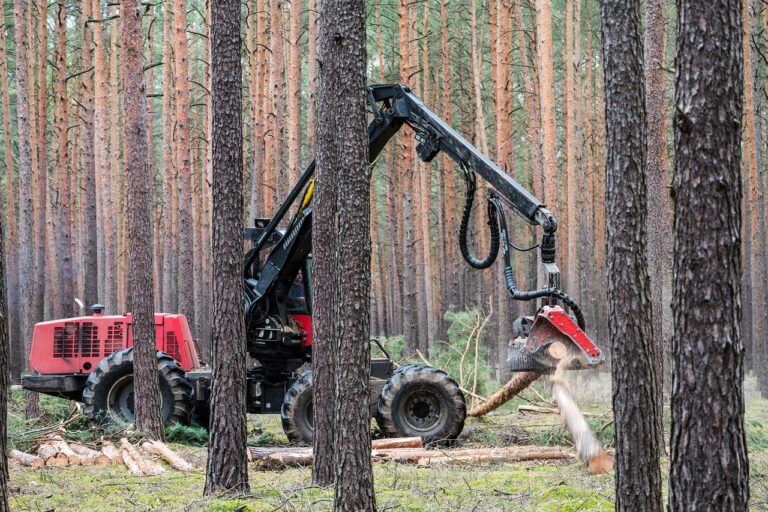
Meeting The Challenges Of Commercial Forestry With Specialized Machinery

5 4

In order to manage vast tracts of forestland, commercial forestry is a challenging sector that calls for meticulous planning, strong machinery, and effective operations. Forestry workers deal with a variety of tasks that require specialized equipment, such as harvesting wood, removing vegetation, and moving large logs. Reliable equipment is crucial for preserving productivity and safety while working in challenging terrain, variable weather, and distant places. Businesses may overcome operational obstacles, increase productivity, and cut down on needless downtime by selecting the appropriate equipment from a knowledgeable forestry equipment dealer. Recognizing Commercial Forestry’s Requirements Cutting down trees is just one aspect of commercial forestry. Forest management, wood harvesting, site preparation, vegetation control, and transportation of harvested commodities are all included. Equipment built to manage certain operational and environmental circumstances is needed for each task. Professionals in forestry often operate on steep slopes, rough terrain, and heavily forested places where traditional construction equipment may not function well. Additional challenges include muddy ground, fallen limbs, heavy loads, and shifting weather. Specialized forestry equipment is designed to endure these harsh conditions and provide reliable performance all day long. Companies can enhance workflow, effectively manage resources, and ensure operational continuity across various forestry projects by investing in the right gear. Specialized Equipment For Harvesting Timber One of the commercial forestry industry’s most equipment-intensive tasks is harvesting timber. Machines that can cut, process, lift, and move big trees without sacrificing operational efficiency are needed for the process. Forestry harvesters are designed to precisely chop trees and process wood. Delimbing and cutting wood into predetermined lengths are two of the many functions these machines may carry out. Their cutting mechanisms and sophisticated hydraulic systems enable workers to effectively finish difficult harvesting tasks. Another significant piece of equipment used in commercial logging is the feller buncher. After cutting and gathering many trees, these machines arrange them into neat stacks for further processing. They are useful for situations where productivity and reliable material handling are top considerations because of their capacity to handle substantial amounts of lumber. Forestry companies may maintain effective operations by choosing equipment according to harvesting volume, tree size, and topography. Overcoming Transportation Obstacles And Difficult Terrain There are several logistical obstacles for transporting lumber across forests. Transporting huge logs may be challenging due to uneven ground, limited access routes, and unstable ground. These situations are addressed by specialized forestry machinery, such as forwarders and skidders. While forwarders move logs above the ground to specified loading places, skidders move harvested trees by dragging them from cutting locations to gathering zones. While wheeled machinery may give more mobility in the right circumstances, tracked forestry equipment may offer better grip in certain difficult situations. The needs of the project, operating distances, and ground conditions all influence which of these designs is best. Operators may assess equipment capabilities and choose machines appropriate for their work settings with the assistance of an experienced forestry equipment dealer. Increasing Safety Using Contemporary Equipment Because workers often operate heavy equipment close to fallen trees, large materials, and uncertain ground conditions, safety is still a key issue in commercial forestry. Features designed to enhance machine control and operator safety are included into modern forestry equipment. Operators are better able to handle difficult duties because of enhanced visibility, guards, reinforced cabins, and sophisticated monitoring systems. Additionally, some machines include automated features that decrease tedious human tasks and increase accuracy while processing lumber. However, appropriate operator training, frequent inspections, and defined safety protocols are necessary to support these systems. Companies may sustain productivity while creating safer working conditions by prioritizing appropriate equipment and responsible operating procedures. Lowering Downtime Through Appropriate Equipment Maintenance Unexpected equipment failures might raise operational costs and interfere with harvesting schedules. Because forestry equipment is subjected to significant mechanical stress, preventative maintenance is especially crucial. Hydraulic systems, cutting parts, tracks, tires, and lubrication points are all routinely inspected to help spot any issues before they become serious failures. Equipment service life may be increased by replacing worn parts, keeping filters clean, and following manufacturer guidelines. Operational dependability is also influenced by the availability of replacement parts and expert technical support. Businesses may have access to equipment advice, maintenance tools, and appropriate replacement parts by collaborating with a reputable forestry equipment dealer. Encouraging Conscientious Forest Management Commercial forestry operations need to strike a balance between responsible land management and production. The choice of equipment may affect plant damage, soil disturbance, and wood extraction efficiency. Forestry techniques that reduce needless environmental disturbance may be supported by equipment built for controlled material handling and selective harvesting. Sensitive forest regions may also be protected with cautious machine operation, appropriate ground pressure, and well-planned routes. Companies may enhance operational efficiency and boost long-term forest production by combining specialized equipment with careful harvesting tactics. Conclusion It takes more than just strong equipment to meet the demands of commercial forestry. It requires equipment that is appropriate for challenging terrain, effective wood handling, operator safety, and regular maintenance. Specialized forestry equipment, such as skidders, forwarders, and harvesters, helps companies handle heavy workloads while increasing operating effectiveness. Commercial forestry companies may increase production, minimize interruptions, and be ready for more complicated operating needs by investing in dependable equipment, maintaining gear correctly, and using responsible forest management practices. MatthewA content writer and researcher passionate about delivering accurate, easy-to-understand information on lottery results, draw schedules, and related updates. Committed to publishing reliable and reader-friendly content. www.punjabstatelottery.net

When Knee Pain Takes Over: Understanding the Role of a Knee Replacement Surgeon

Knee Replacement Surgeon

Knee pain can gradually affect nearly every aspect of daily life. Simple activities such as walking, climbing stairs, standing for long periods, or getting out of bed may become increasingly difficult. While occasional discomfort can result from physical activity or minor injuries, persistent knee pain may indicate a more serious joint condition. Seeing a knee replacement surgeon can assist patients in exploring suitable treatment choices when conventional therapies are unable to offer long-lasting comfort. Knee replacement surgery is designed to address severe joint damage, reduce pain, and improve mobility. However, deciding whether surgery is necessary requires careful medical evaluation, personalized treatment planning, and a clear understanding of the recovery process. Understanding the Causes of Chronic Knee Pain The knee is a complex joint that supports body weight and allows essential movements. It contains bones, cartilage, ligaments, tendons, and surrounding muscles that work together to provide stability and flexibility. Damage to any of these structures can contribute to discomfort and restricted movement. One of the main causes of persistent knee pain, especially in older persons, is osteoarthritis. It develops when the protective cartilage covering the ends of bones gradually wears away. Patients may develop inflammation, edema, stiffness, and trouble moving the joint as the condition worsens. Other causes include rheumatoid arthritis, previous sports injuries, fractures, and joint deformities. Some patients experience discomfort during physical activity, while others struggle with pain even when resting. Understanding the underlying cause is essential because not every knee condition requires surgical treatment. Recognizing When Surgical Consultation Becomes Necessary Many individuals initially manage knee pain through physical therapy, medications, lifestyle modifications, and other conservative treatments. These approaches can provide meaningful relief, particularly during the early stages of joint deterioration. However, persistent symptoms may eventually require evaluation by a knee replacement surgeon. Patients who experience severe pain while walking, difficulty climbing stairs, frequent swelling, or significant joint stiffness should consider seeking specialized orthopedic advice. Another important warning sign is knee pain that interferes with sleep or prevents participation in routine activities. When discomfort continues despite appropriate nonsurgical treatment, a specialist can determine whether advanced joint damage is responsible. Seeking professional guidance does not automatically mean surgery will be recommended. Instead, it allows patients to understand their condition and explore suitable medical options. The Important Role of a Knee Replacement Surgeon A knee replacement surgeon is responsible for evaluating joint health, identifying structural problems, and determining whether surgical intervention could improve a patient’s condition. During the consultation, the specialist reviews medical history, discusses symptoms, examines joint movement, and may recommend diagnostic imaging. X-rays are frequently used to evaluate cartilage loss indirectly through aberrant alignment, bone alterations, and joint space constriction. If surgery appears appropriate, the surgeon develops a treatment plan based on the patient’s physical condition, activity level, and long-term mobility goals. The surgeon also explains potential benefits, surgical risks, and recovery expectations. This guidance helps patients make informed decisions rather than approaching surgery with unrealistic expectations. Exploring Modern Knee Replacement Procedures Advancements in orthopedic medicine have introduced several approaches to knee replacement surgery. The recommended procedure depends on the severity and location of joint damage. Total knee replacement involves removing damaged joint surfaces and replacing them with artificial components. This procedure is generally considered for patients experiencing advanced arthritis affecting multiple areas of the knee. Partial knee replacement may be suitable when damage is limited to a specific compartment. This approach preserves healthy portions of the joint and may support a different recovery experience for appropriately selected patients. Robotic-assisted surgical systems are also used in some orthopedic practices. These technologies can help surgeons plan procedures and guide implant positioning. However, surgical expertise, patient suitability, and rehabilitation remain essential factors in treatment outcomes. Preparing for Surgery and Understanding Recovery Successful knee replacement treatment involves preparation before surgery and rehabilitation afterward. Patients may undergo medical assessments to identify health conditions that could affect surgical safety or recovery. Surgeons may recommend strengthening exercises, medication adjustments, and practical preparations for returning home after the procedure. Following surgery, rehabilitation focuses on restoring knee movement, improving muscle strength, and gradually increasing physical activity. Physical therapists guide patients through exercises intended to support flexibility, stability, and walking ability. Recovery varies among individuals. While some patients return to basic daily activities within several weeks, further improvements in strength and mobility can continue for months. Following postoperative instructions, attending therapy sessions, and communicating concerns to healthcare professionals are important throughout recovery. Choosing the Right Specialist for Knee Replacement Selecting a qualified knee replacement surgeon is an important part of the treatment journey. Patients should evaluate the specialist’s training, surgical experience, communication approach, and commitment to personalized care. An experienced surgeon should explain available procedures, discuss possible complications, and help patients understand realistic outcomes. Patients may also benefit from asking about rehabilitation plans, postoperative follow-up appointments, and the expected timeline for returning to normal activities. A supportive medical team can make the entire treatment process more manageable by providing clear guidance before and after surgery. Conclusion Chronic knee pain can significantly limit mobility, independence, and overall quality of life. Although nonsurgical treatments remain effective for many individuals, advanced joint deterioration may require additional medical intervention. A knee replacement surgeon helps patients understand their condition, evaluate treatment options, and determine whether surgery could provide meaningful improvement. Through appropriate surgical care, rehabilitation, and realistic recovery planning, eligible patients may experience reduced pain, improved movement, and greater confidence in everyday activities. MatthewA content writer and researcher passionate about delivering accurate, easy-to-understand information on lottery results, draw schedules, and related updates. Committed to publishing reliable and reader-friendly content. www.punjabstatelottery.net