
Meeting The Challenges Of Commercial Forestry With Specialized Machinery
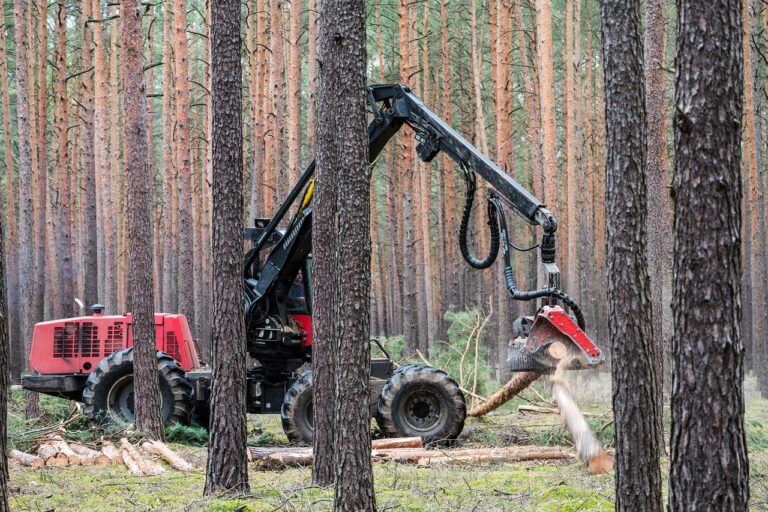
In order to manage vast tracts of forestland, commercial forestry is a challenging sector that calls for meticulous planning, strong machinery, and effective operations. Forestry workers deal with a variety of tasks that require specialized equipment, such as harvesting wood, removing vegetation, and moving large logs. Reliable equipment is crucial for preserving productivity and safety while working in challenging terrain, variable weather, and distant places. Businesses may overcome operational obstacles, increase productivity, and cut down on needless downtime by selecting the appropriate equipment from a knowledgeable forestry equipment dealer. Recognizing Commercial Forestry’s Requirements Cutting down trees is just one aspect of commercial forestry. Forest management, wood harvesting, site preparation, vegetation control, and transportation of harvested commodities are all included. Equipment built to manage certain operational and environmental circumstances is needed for each task. Professionals in forestry often operate on steep slopes, rough terrain, and heavily forested places where traditional construction equipment may not function well. Additional challenges include muddy ground, fallen limbs, heavy loads, and shifting weather. Specialized forestry equipment is designed to endure these harsh conditions and provide reliable performance all day long. Companies can enhance workflow, effectively manage resources, and ensure operational continuity across various forestry projects by investing in the right gear. Specialized Equipment For Harvesting Timber One of the commercial forestry industry’s most equipment-intensive tasks is harvesting timber. Machines that can cut, process, lift, and move big trees without sacrificing operational efficiency are needed for the process. Forestry harvesters are designed to precisely chop trees and process wood. Delimbing and cutting wood into predetermined lengths are two of the many functions these machines may carry out. Their cutting mechanisms and sophisticated hydraulic systems enable workers to effectively finish difficult harvesting tasks. Another significant piece of equipment used in commercial logging is the feller buncher. After cutting and gathering many trees, these machines arrange them into neat stacks for further processing. They are useful for situations where productivity and reliable material handling are top considerations because of their capacity to handle substantial amounts of lumber. Forestry companies may maintain effective operations by choosing equipment according to harvesting volume, tree size, and topography. Overcoming Transportation Obstacles And Difficult Terrain There are several logistical obstacles for transporting lumber across forests. Transporting huge logs may be challenging due to uneven ground, limited access routes, and unstable ground. These situations are addressed by specialized forestry machinery, such as forwarders and skidders. While forwarders move logs above the ground to specified loading places, skidders move harvested trees by dragging them from cutting locations to gathering zones. While wheeled machinery may give more mobility in the right circumstances, tracked forestry equipment may offer better grip in certain difficult situations. The needs of the project, operating distances, and ground conditions all influence which of these designs is best. Operators may assess equipment capabilities and choose machines appropriate for their work settings with the assistance of an experienced forestry equipment dealer. Increasing Safety Using Contemporary Equipment Because workers often operate heavy equipment close to fallen trees, large materials, and uncertain ground conditions, safety is still a key issue in commercial forestry. Features designed to enhance machine control and operator safety are included into modern forestry equipment. Operators are better able to handle difficult duties because of enhanced visibility, guards, reinforced cabins, and sophisticated monitoring systems. Additionally, some machines include automated features that decrease tedious human tasks and increase accuracy while processing lumber. However, appropriate operator training, frequent inspections, and defined safety protocols are necessary to support these systems. Companies may sustain productivity while creating safer working conditions by prioritizing appropriate equipment and responsible operating procedures. Lowering Downtime Through Appropriate Equipment Maintenance Unexpected equipment failures might raise operational costs and interfere with harvesting schedules. Because forestry equipment is subjected to significant mechanical stress, preventative maintenance is especially crucial. Hydraulic systems, cutting parts, tracks, tires, and lubrication points are all routinely inspected to help spot any issues before they become serious failures. Equipment service life may be increased by replacing worn parts, keeping filters clean, and following manufacturer guidelines. Operational dependability is also influenced by the availability of replacement parts and expert technical support. Businesses may have access to equipment advice, maintenance tools, and appropriate replacement parts by collaborating with a reputable forestry equipment dealer. Encouraging Conscientious Forest Management Commercial forestry operations need to strike a balance between responsible land management and production. The choice of equipment may affect plant damage, soil disturbance, and wood extraction efficiency. Forestry techniques that reduce needless environmental disturbance may be supported by equipment built for controlled material handling and selective harvesting. Sensitive forest regions may also be protected with cautious machine operation, appropriate ground pressure, and well-planned routes. Companies may enhance operational efficiency and boost long-term forest production by combining specialized equipment with careful harvesting tactics. Conclusion It takes more than just strong equipment to meet the demands of commercial forestry. It requires equipment that is appropriate for challenging terrain, effective wood handling, operator safety, and regular maintenance. Specialized forestry equipment, such as skidders, forwarders, and harvesters, helps companies handle heavy workloads while increasing operating effectiveness. Commercial forestry companies may increase production, minimize interruptions, and be ready for more complicated operating needs by investing in dependable equipment, maintaining gear correctly, and using responsible forest management practices. MatthewA content writer and researcher passionate about delivering accurate, easy-to-understand information on lottery results, draw schedules, and related updates. Committed to publishing reliable and reader-friendly content. www.punjabstatelottery.net