
When Knee Pain Takes Over: Understanding the Role of a Knee Replacement Surgeon
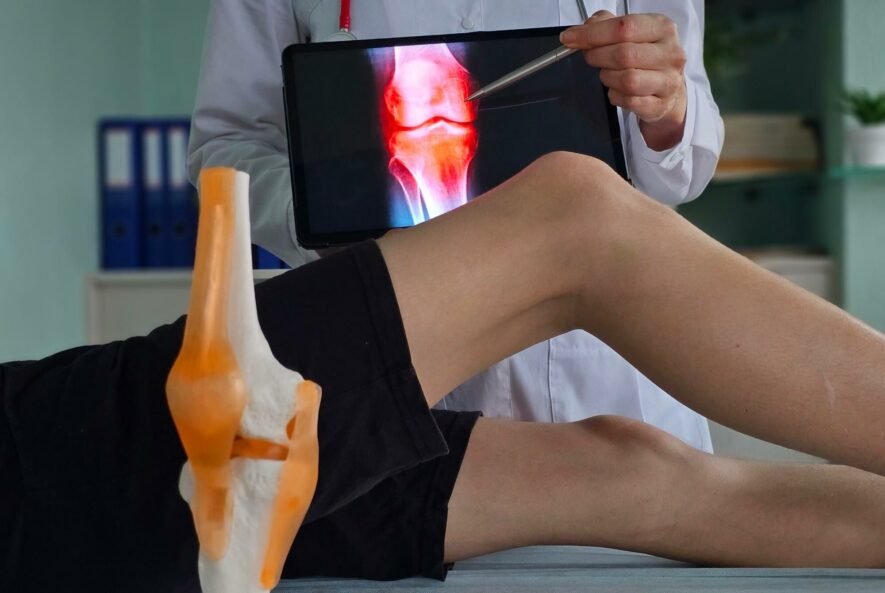
Knee pain can gradually affect nearly every aspect of daily life. Simple activities such as walking, climbing stairs, standing for long periods, or getting out of bed may become increasingly difficult. While occasional discomfort can result from physical activity or minor injuries, persistent knee pain may indicate a more serious joint condition. Seeing a knee replacement surgeon can assist patients in exploring suitable treatment choices when conventional therapies are unable to offer long-lasting comfort. Knee replacement surgery is designed to address severe joint damage, reduce pain, and improve mobility. However, deciding whether surgery is necessary requires careful medical evaluation, personalized treatment planning, and a clear understanding of the recovery process. Understanding the Causes of Chronic Knee Pain The knee is a complex joint that supports body weight and allows essential movements. It contains bones, cartilage, ligaments, tendons, and surrounding muscles that work together to provide stability and flexibility. Damage to any of these structures can contribute to discomfort and restricted movement. One of the main causes of persistent knee pain, especially in older persons, is osteoarthritis. It develops when the protective cartilage covering the ends of bones gradually wears away. Patients may develop inflammation, edema, stiffness, and trouble moving the joint as the condition worsens. Other causes include rheumatoid arthritis, previous sports injuries, fractures, and joint deformities. Some patients experience discomfort during physical activity, while others struggle with pain even when resting. Understanding the underlying cause is essential because not every knee condition requires surgical treatment. Recognizing When Surgical Consultation Becomes Necessary Many individuals initially manage knee pain through physical therapy, medications, lifestyle modifications, and other conservative treatments. These approaches can provide meaningful relief, particularly during the early stages of joint deterioration. However, persistent symptoms may eventually require evaluation by a knee replacement surgeon. Patients who experience severe pain while walking, difficulty climbing stairs, frequent swelling, or significant joint stiffness should consider seeking specialized orthopedic advice. Another important warning sign is knee pain that interferes with sleep or prevents participation in routine activities. When discomfort continues despite appropriate nonsurgical treatment, a specialist can determine whether advanced joint damage is responsible. Seeking professional guidance does not automatically mean surgery will be recommended. Instead, it allows patients to understand their condition and explore suitable medical options. The Important Role of a Knee Replacement Surgeon A knee replacement surgeon is responsible for evaluating joint health, identifying structural problems, and determining whether surgical intervention could improve a patient’s condition. During the consultation, the specialist reviews medical history, discusses symptoms, examines joint movement, and may recommend diagnostic imaging. X-rays are frequently used to evaluate cartilage loss indirectly through aberrant alignment, bone alterations, and joint space constriction. If surgery appears appropriate, the surgeon develops a treatment plan based on the patient’s physical condition, activity level, and long-term mobility goals. The surgeon also explains potential benefits, surgical risks, and recovery expectations. This guidance helps patients make informed decisions rather than approaching surgery with unrealistic expectations. Exploring Modern Knee Replacement Procedures Advancements in orthopedic medicine have introduced several approaches to knee replacement surgery. The recommended procedure depends on the severity and location of joint damage. Total knee replacement involves removing damaged joint surfaces and replacing them with artificial components. This procedure is generally considered for patients experiencing advanced arthritis affecting multiple areas of the knee. Partial knee replacement may be suitable when damage is limited to a specific compartment. This approach preserves healthy portions of the joint and may support a different recovery experience for appropriately selected patients. Robotic-assisted surgical systems are also used in some orthopedic practices. These technologies can help surgeons plan procedures and guide implant positioning. However, surgical expertise, patient suitability, and rehabilitation remain essential factors in treatment outcomes. Preparing for Surgery and Understanding Recovery Successful knee replacement treatment involves preparation before surgery and rehabilitation afterward. Patients may undergo medical assessments to identify health conditions that could affect surgical safety or recovery. Surgeons may recommend strengthening exercises, medication adjustments, and practical preparations for returning home after the procedure. Following surgery, rehabilitation focuses on restoring knee movement, improving muscle strength, and gradually increasing physical activity. Physical therapists guide patients through exercises intended to support flexibility, stability, and walking ability. Recovery varies among individuals. While some patients return to basic daily activities within several weeks, further improvements in strength and mobility can continue for months. Following postoperative instructions, attending therapy sessions, and communicating concerns to healthcare professionals are important throughout recovery. Choosing the Right Specialist for Knee Replacement Selecting a qualified knee replacement surgeon is an important part of the treatment journey. Patients should evaluate the specialist’s training, surgical experience, communication approach, and commitment to personalized care. An experienced surgeon should explain available procedures, discuss possible complications, and help patients understand realistic outcomes. Patients may also benefit from asking about rehabilitation plans, postoperative follow-up appointments, and the expected timeline for returning to normal activities. A supportive medical team can make the entire treatment process more manageable by providing clear guidance before and after surgery. Conclusion Chronic knee pain can significantly limit mobility, independence, and overall quality of life. Although nonsurgical treatments remain effective for many individuals, advanced joint deterioration may require additional medical intervention. A knee replacement surgeon helps patients understand their condition, evaluate treatment options, and determine whether surgery could provide meaningful improvement. Through appropriate surgical care, rehabilitation, and realistic recovery planning, eligible patients may experience reduced pain, improved movement, and greater confidence in everyday activities. MatthewA content writer and researcher passionate about delivering accurate, easy-to-understand information on lottery results, draw schedules, and related updates. Committed to publishing reliable and reader-friendly content. www.punjabstatelottery.net